

Smoke, heat, flame or gas? This guide explains how each detector works, where to install it and the key design points for fire alarm and F&G systems in industry.
Early detection is the single most important factor in limiting loss of life and property in a fire. Yet there is no "best detector": each type is designed for a specific stage of fire growth and environment. The wrong choice either detects too late or floods the site with false alarms until people stop trusting the system.
Fire stages and detector types
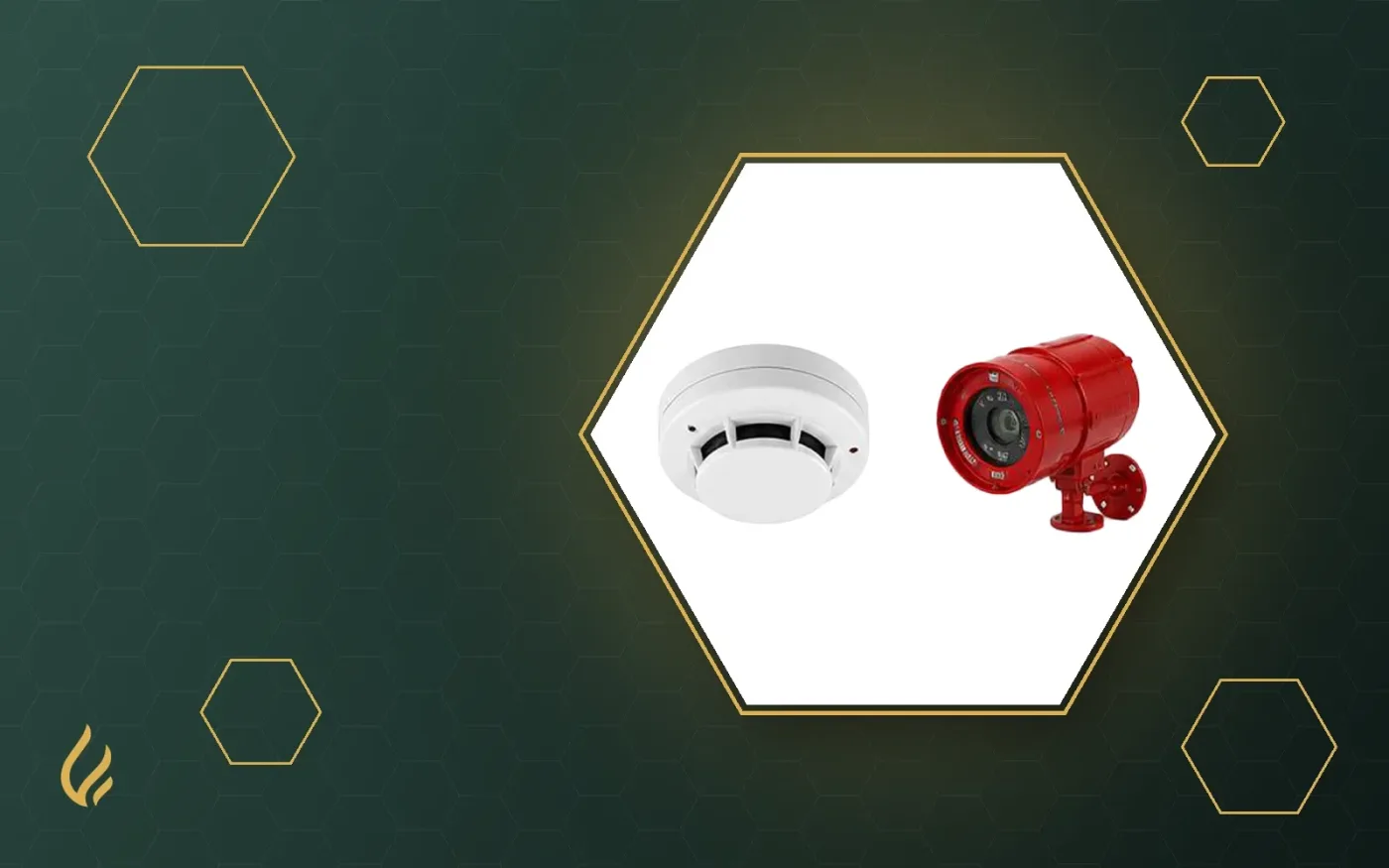
Most fires start with smouldering smoke, then flames appear, and finally heat rises rapidly. Smoke detectors are most effective in the first stage, flame detectors in the second and heat detectors in the third.
1. Optical smoke detectors
Smoke particles enter an optical chamber and scatter LED light onto a receiver. They suit offices, control rooms, server rooms, dry-goods stores and escape routes, but should not be used in dusty, humid or steamy areas.
2. Heat detectors
- Fixed temperature: operates at a set temperature (e.g. 58 or 78 °C); suited to kitchens and boiler rooms.
- Rate of rise (ROR): reacts to the speed of temperature increase and catches fast fires earlier.
Heat detectors produce very few false alarms but respond slowest, so they are not sufficient for life safety in occupied rooms.
3. Flame detectors
They detect the ultraviolet (UV) or infrared (IR) radiation of a flame within a fraction of a second. IR3 detectors suit outdoor hydrocarbon fires, while UV/IR detectors cover mixed fuels and hydrogen. Process units, compressor skids, tank loading and pump houses are typical applications.
4. Gas detectors
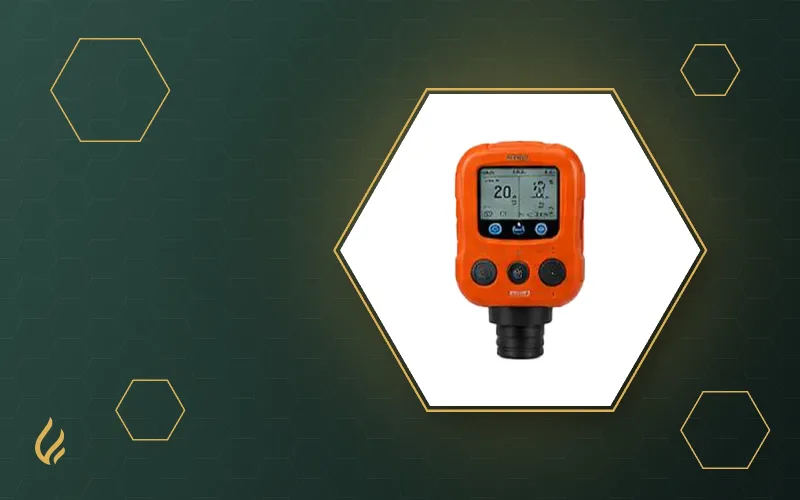
In oil and gas, a flammable gas leak is often the precursor of a fire. Fixed LEL detectors (catalytic or IR) and toxic-gas detectors such as H2S are an integral part of Fire & Gas (F&G) systems and can trigger safety actions such as automatic shutdown before ignition.
Quick selection table
| Area | Recommended detector |
|---|---|
| Office, control room, server room | Optical smoke (addressable) |
| Kitchen, boiler room, car park | Fixed or ROR heat |
| Process unit and outdoor areas | IR3 or UV/IR flame + gas detection |
| High-bay warehouse | Beam or aspirating smoke detection (ASD) |
| Battery room | Hydrogen detection + smoke |
Design and maintenance tips
- Lay out and space detectors per NFPA 72, BS 5839 or EN 54.
- For F&G systems, prepare 3D coverage mapping for flame and gas detectors.
- Detectors must be compatible with the control panel and carry EN 54 or UL approval.
- Annual functional testing and periodic cleaning keep false alarms to a minimum.
Frequently asked questions
Are smoke detectors suitable for industrial warehouses?
In clean warehouses with normal ceilings, yes; in high-bay stores, beam detectors or aspirating systems (ASD) offer better coverage and sensitivity.
How far can a flame detector see?
Depending on the model and fire size, IR3 detectors can detect a standard hydrocarbon fire at around 60 m or more.
Hamoon supplies smoke, heat, flame and gas detectors from Siemens, Honeywell, Tyco and MSA and supports you in selecting and laying out the equipment.
Products mentioned in this article
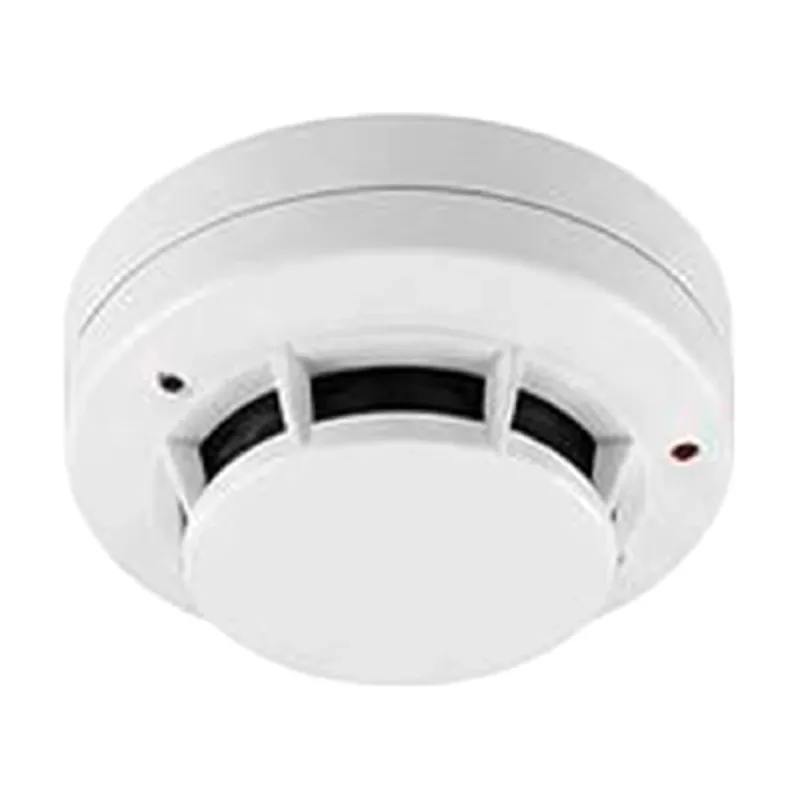
Optical Smoke Detector
Optical (photoelectric) smoke detectors in conventional and addressable versions for early fire detection, compatib...
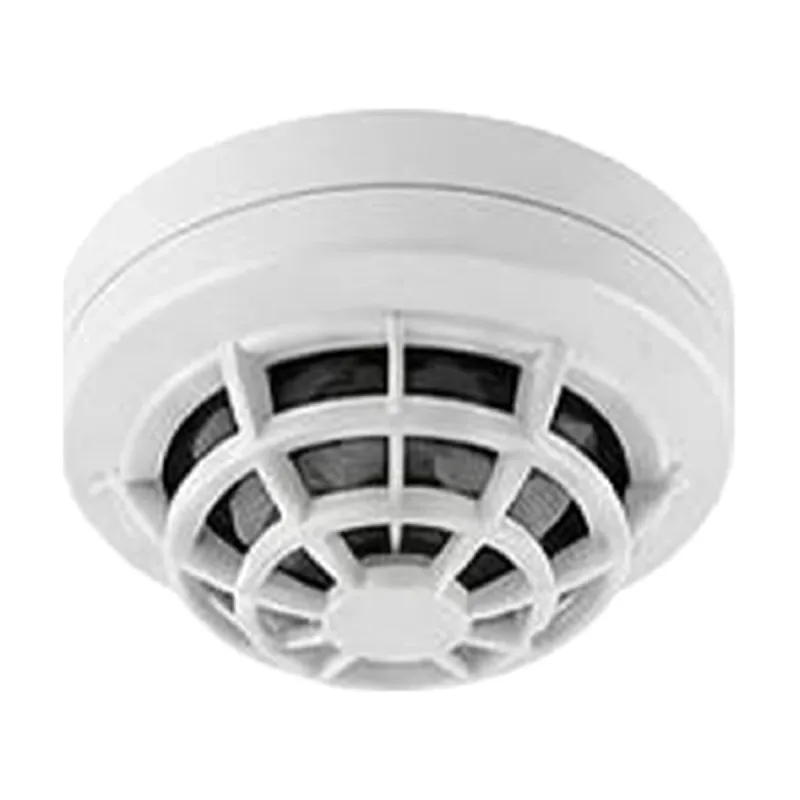
Rate-of-Rise & Fixed Temperature Heat Detector
Heat detectors with fixed-temperature and rate-of-rise operation, ideal for areas where smoke detectors would cause...
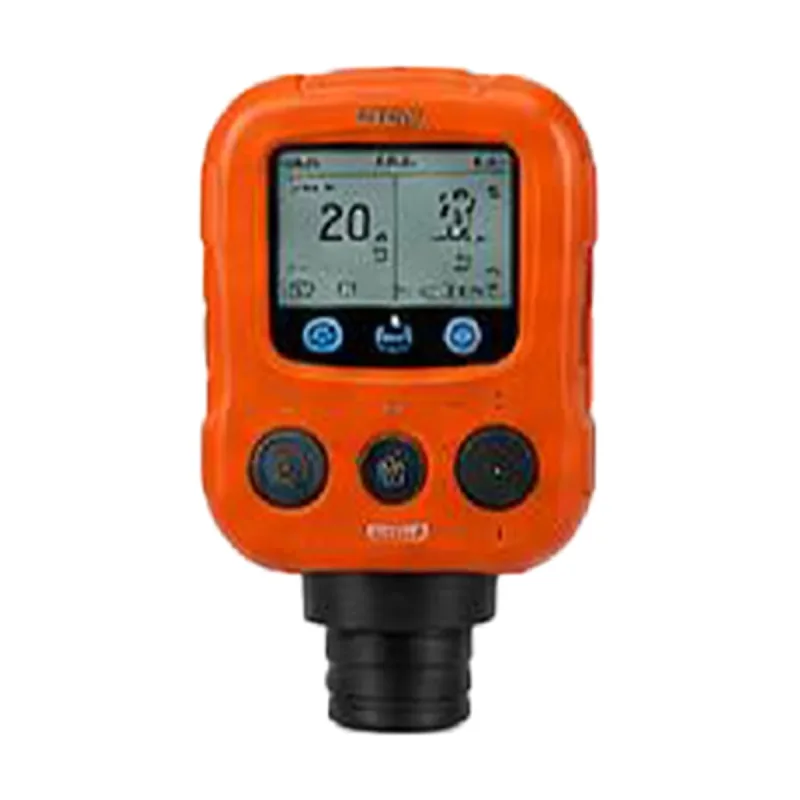
Portable Multi-Gas Detector
Portable multi-gas detectors for simultaneous monitoring of oxygen, combustible gases (LEL), hydrogen sulphide and...
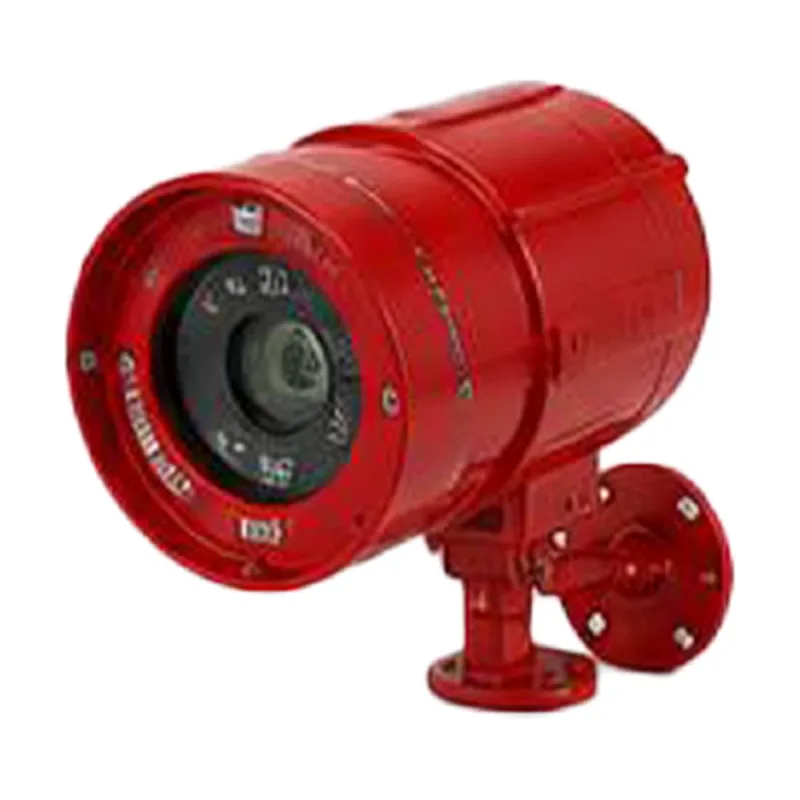
Explosion-Proof UV/IR Flame Detector
Explosion-proof UV/IR and multi-spectrum IR flame detectors for fast, reliable flame detection in hazardous areas o...