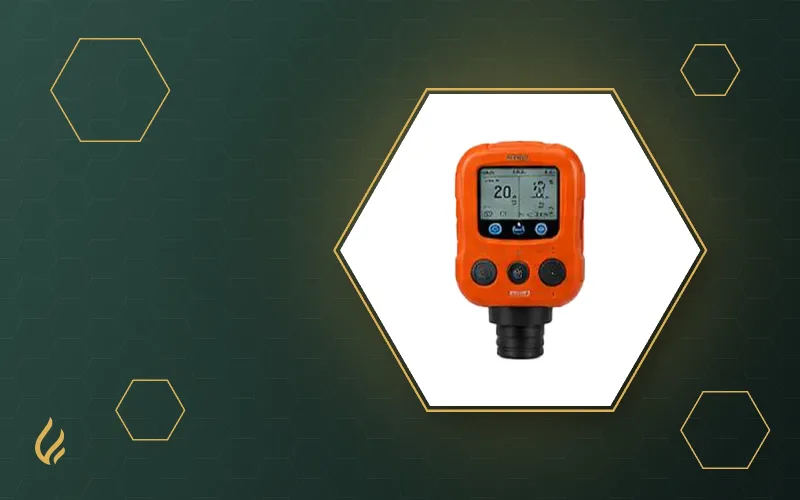



From safety helmets and respirators to flame-resistant coveralls and safety boots: a complete PPE checklist for petrochemical plants, with key standards plus selection and maintenance tips.
Petrochemical plants combine flammable hydrocarbons, toxic gases, corrosive chemicals, high temperatures, rotating equipment and work at height, often within the same unit. Engineering controls and safe work procedures always come first, but personal protective equipment (PPE) is the last line of defence when other safeguards fail. This checklist summarises the PPE every petrochemical site should specify, how to choose it and how to keep it in service.
Start with a hazard assessment
PPE selection must be based on a documented risk assessment or job safety analysis (JSA) for each task and area. Identify the hazards present, whether chemical, thermal, mechanical, electrical, noise or atmospheric, and match each one with protection certified to the relevant standard. Generic one-size-fits-all kits rarely provide adequate protection.
Hazard-to-PPE quick reference
| Hazard | Body area | Recommended PPE | Key standard |
|---|---|---|---|
| Falling objects and impact | Head | Industrial safety helmet | EN 397 |
| Chemical splash and flying particles | Eyes and face | Goggles and face shield | EN 166 |
| Toxic gases and vapours (H2S, hydrocarbons) | Respiratory system | Filter respirator or SCBA | EN 14387 / EN 137 |
| Flash fire and radiant heat | Body | Flame-resistant (FR) coveralls | EN ISO 11612 |
| Cuts and abrasion | Hands | Mechanical protection gloves | EN 388 |
| Chemical contact | Hands | Chemical-resistant gloves | EN ISO 374 |
| Crushing, puncture and static discharge | Feet | S3 antistatic safety boots | EN ISO 20345 |
| High noise levels | Ears | Earplugs or earmuffs | EN 352 |
| Work at height | Whole body | Full-body harness | EN 361 |
1. Head protection
Industrial safety helmets to EN 397 protect against falling objects and impact. Where electrical hazards exist, choose helmets that also meet EN 50365 for work on low-voltage installations. Chin straps are essential when working at height, and accessories such as visors and ear defenders should be approved for use with the specific helmet model.
2. Eye and face protection
Safety glasses to EN 166 are the minimum requirement in process areas. For chemical handling, sampling and line breaking, use sealed goggles together with a full face shield. Welding and cutting tasks require filters with the appropriate shade number.
3. Hand protection
No single glove protects against everything. Use gloves tested to EN 388 for mechanical risks, EN ISO 374 for chemical resistance, checking the breakthrough time for the specific chemical, and EN 407 for heat. Electrical work requires insulating gloves to EN 60903.
4. Foot protection
Safety footwear to EN ISO 20345 with a protective toe cap, penetration-resistant midsole and slip- and fuel-resistant outsole is the baseline. S3-rated boots with antistatic properties are recommended for most process areas to prevent static discharge in potentially flammable atmospheres.
5. Respiratory protection
Respiratory hazards in petrochemical plants include hydrocarbon vapours, hydrogen sulphide (H2S), ammonia, chlorine and oxygen deficiency in confined spaces.
- Air-purifying respirators: half masks (EN 140) or full-face masks (EN 136) with gas and vapour filters to EN 14387, for example type A for organic vapours, B for inorganic gases, E for acid gases and K for ammonia, or P3 particulate filters.
- Self-contained breathing apparatus (SCBA) to EN 137, or airline systems: mandatory where oxygen is deficient, concentrations are unknown or may be immediately dangerous to life or health (IDLH), including most H2S emergencies.
Every user of a tight-fitting respirator should be fit-tested and trained, and filter change schedules must be defined in advance.
6. Body protection and flame-resistant clothing
In units handling flammable hydrocarbons, everyday workwear should be flame-resistant (FR) coveralls certified to EN ISO 11612 for protection against heat and flame. Depending on the task, additional properties may be needed: EN 1149 for antistatic performance, IEC 61482 for electric arc protection and EN ISO 11611 for welding. Avoid synthetic underlayers that can melt. For chemical handling, suitable chemical protective suits must be worn over or instead of FR clothing, as defined by the risk assessment.
7. Other essential protection
- Hearing protection (EN 352) near compressors, turbines, furnaces and blowdown areas
- Fall protection: full-body harnesses (EN 361) and suitable lanyards for work at height
- Personal gas detectors for H2S, LEL, O2 and CO in high-risk areas
Selection, maintenance and training
- Choose PPE that fits properly and is comfortable in hot, humid climates; uncomfortable PPE is often left unused.
- Check compatibility: for example, safety glasses should not break the seal of a respirator.
- Inspect PPE before every use and remove damaged items from service immediately.
- Replace helmets, filters and harnesses according to the manufacturer's stated service life and after any impact or exposure.
- Launder FR clothing according to the manufacturer's instructions to preserve its protective properties.
- Train personnel on the correct use, limitations and storage of every PPE item.
Source certified PPE through Hamoon
Hamoon supplies certified safety equipment from leading brands such as MSA and Honeywell, from helmets and respirators to FR clothing and gas detectors. Send us your PPE list or risk assessment and our HSE specialists will help you select compliant equipment and prepare a quotation. Take safety seriously: the future starts today.
Products mentioned in this article
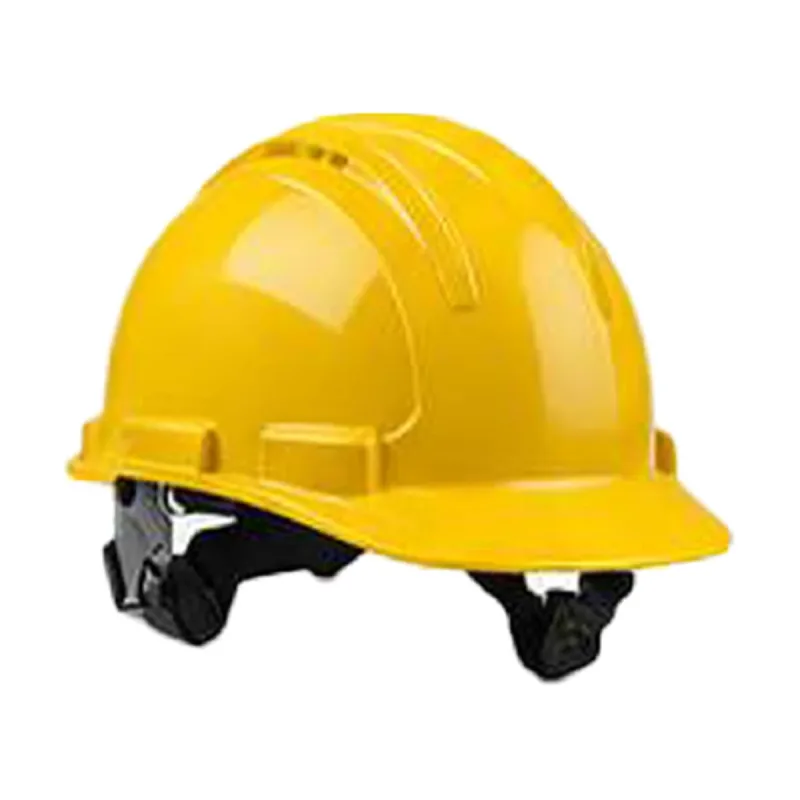
Industrial Safety Helmet
Industrial hard hats with impact-resistant HDPE or ABS shells, adjustable suspension and accessory slots for visors...
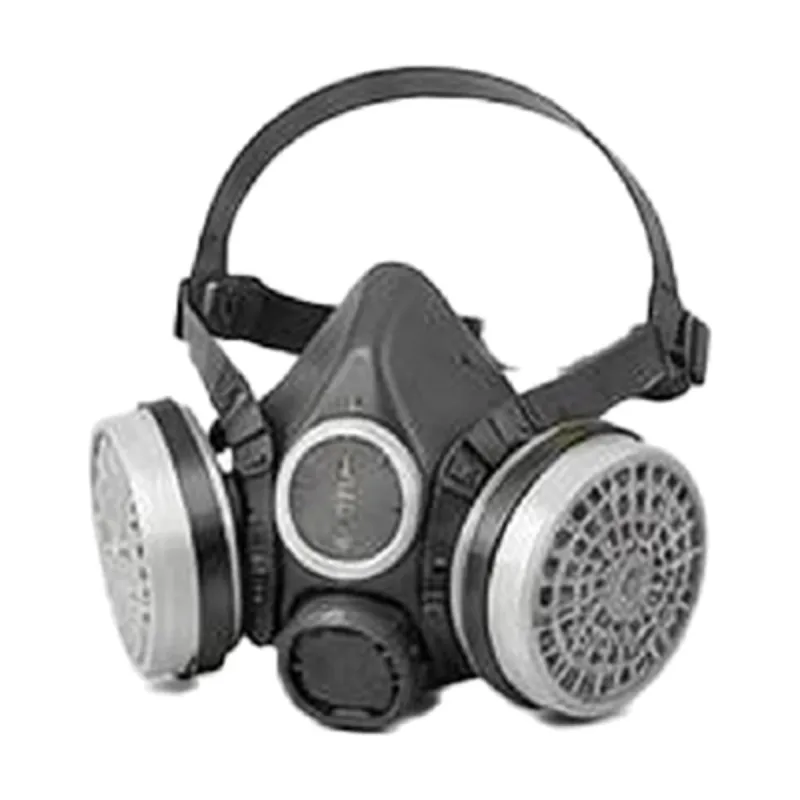
Half-Face Respirator with Replaceable Filters
Half-face respirators with replaceable filters and cartridges protecting the respiratory system against dust, organ...
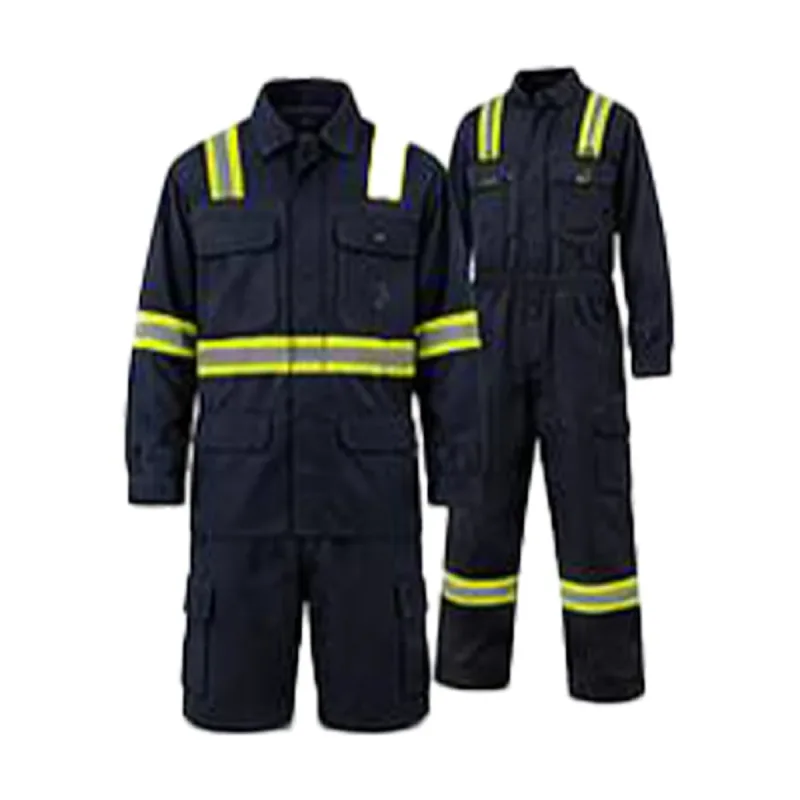
Flame-Resistant (FR) Coveralls
Flame-resistant coveralls with reflective tape and anti-static properties, certified to EN ISO 11612 and EN 1149 wi...