



Fixed gas detectors protect the plant; portable monitors protect people. Learn about LEL, toxic and oxygen monitoring, bump testing and calibration to build the right detection strategy.
Gas leaks are among the most serious hazards in oil, gas and petrochemical facilities. Flammable hydrocarbons can create explosive atmospheres, hydrogen sulphide can be fatal at low concentrations, and oxygen deficiency in confined spaces gives no warning signs. An effective gas detection strategy combines two complementary approaches: fixed systems that continuously monitor process areas, and portable detectors that protect individual workers. Understanding the differences helps you deploy each where it delivers the most value.
Key concepts: LEL, toxic gases and oxygen
Lower explosive limit (LEL)
The LEL is the minimum concentration of a flammable gas in air that can ignite. Combustible gas detectors usually display readings as a percentage of the LEL. For example, methane has an LEL of about 4.4 to 5% by volume depending on the reference standard, so 100% LEL corresponds to that concentration. Alarms are typically set well below this point, often at 10% and 20% LEL, to allow time for action.
Toxic gases
Toxic gases such as H2S, carbon monoxide, chlorine, ammonia and sulphur dioxide are measured in parts per million (ppm). Alarm setpoints should follow occupational exposure limits, namely the time-weighted average (TWA) and short-term exposure limit (STEL), as defined by national regulations and company standards.
Oxygen
Normal air contains 20.9% oxygen. Detectors alarm both on deficiency, for example after nitrogen purging of vessels, and on enrichment, which increases fire risk.
Fixed gas detection systems
Fixed systems consist of detectors permanently installed near potential leak sources and in areas where gas may accumulate, connected to a controller, PLC or fire and gas (F&G) system. When gas is detected, the system can automatically trigger alarms, start ventilation, close emergency shutdown valves or isolate ignition sources.
Common technologies
- Catalytic bead (pellistor) sensors for combustible gases: cost-effective, but they need oxygen to work and can be poisoned by silicones and certain other compounds.
- Infrared (IR) point detectors for hydrocarbons: immune to poisoning and suitable for inert atmospheres, although they cannot detect hydrogen.
- Open-path IR detectors that monitor a line of sight across a process area or along a fence line.
- Electrochemical sensors for toxic gases and oxygen.
Fixed gas detectors are usually complemented by flame detectors (UV, UV/IR or multi-spectrum IR), which detect a fire that has already ignited. Together they form the plant's fire and gas protection layer.
Portable gas detectors
Portable detectors are worn in the breathing zone and travel with the worker. Single-gas units, typically for H2S or CO, are compact and simple. Multi-gas detectors commonly measure LEL, O2, H2S and CO simultaneously, with additional sensors available for other toxic gases or volatile organic compounds.
Typical applications
- Pre-entry testing and continuous monitoring during confined space entry, using a pumped detector to sample the space from outside
- Hot work permits and gas testing before welding or cutting
- Maintenance, line breaking and work in areas without fixed coverage
- Personal protection for operators on routine rounds
Fixed vs portable at a glance
| Aspect | Fixed systems | Portable detectors |
|---|---|---|
| Purpose | Area and asset protection | Personal protection |
| Monitoring | Continuous, at fixed points | Wherever the worker goes |
| Response | Alarms and automatic shutdown actions | Audible, visual and vibrating alarms for the wearer |
| Integration | Controller, PLC, F&G system or DCS | Docking stations and data logs |
| Coverage | Plant-wide installation | Operators, maintenance crews and contractors |
Bump testing and calibration
A gas detector that has not been tested cannot be trusted. Two maintenance activities are essential:
- Bump test: a brief exposure to a known gas concentration to confirm that the sensors respond and the alarms activate. Many manufacturers recommend a bump test before each day's use of a portable detector.
- Calibration: adjusting the detector's reading to match a certified calibration gas, at the interval specified by the manufacturer and whenever a bump test fails.
Fixed detectors need periodic calibration and functional testing of the entire chain, from sensor to alarm and executive action. Automated docking stations make bump testing and calibration of portable fleets faster and create records for audits.
Choosing the right combination
Fixed and portable detection are not alternatives. Fixed systems protect the plant and its assets around the clock; portable detectors protect each person wherever they work. Your gas detection philosophy should define detector locations based on leak sources and gas density, set alarm levels, and specify which tasks require personal monitors.
Request a gas detection consultation
Hamoon supplies fixed and portable gas detectors, flame detectors and calibration accessories from brands such as MSA and Honeywell. Share your plant layout or detection requirements with our HSE team for technical advice and a competitive quotation.
Products mentioned in this article
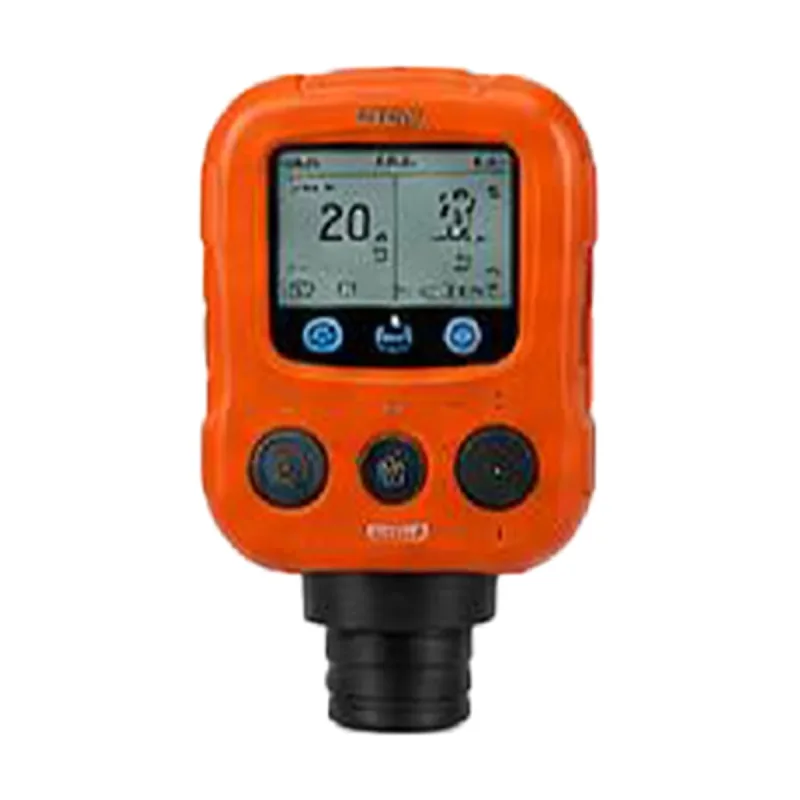
Portable Multi-Gas Detector
Portable multi-gas detectors for simultaneous monitoring of oxygen, combustible gases (LEL), hydrogen sulphide and...
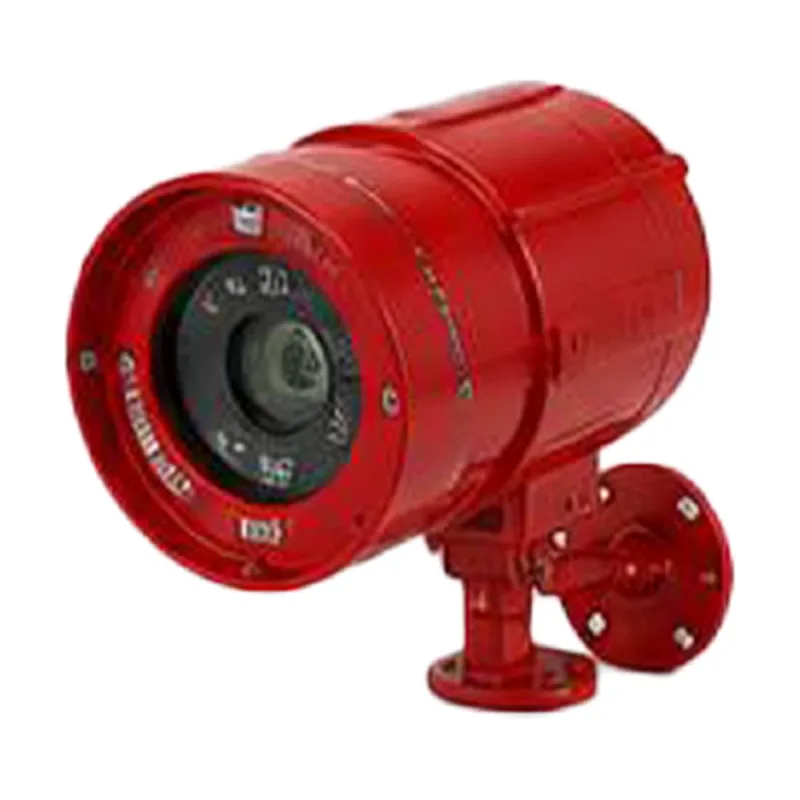
Explosion-Proof UV/IR Flame Detector
Explosion-proof UV/IR and multi-spectrum IR flame detectors for fast, reliable flame detection in hazardous areas o...