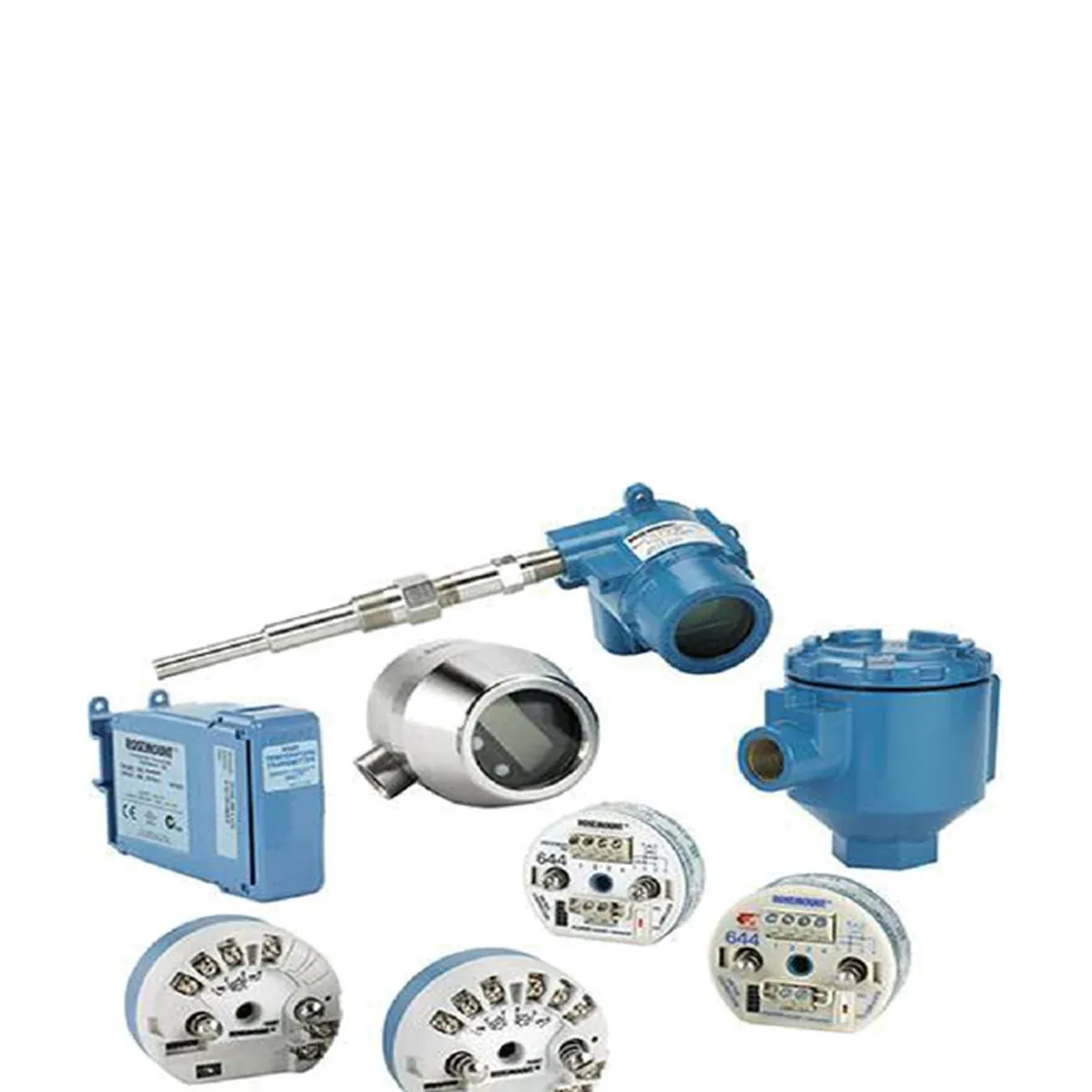
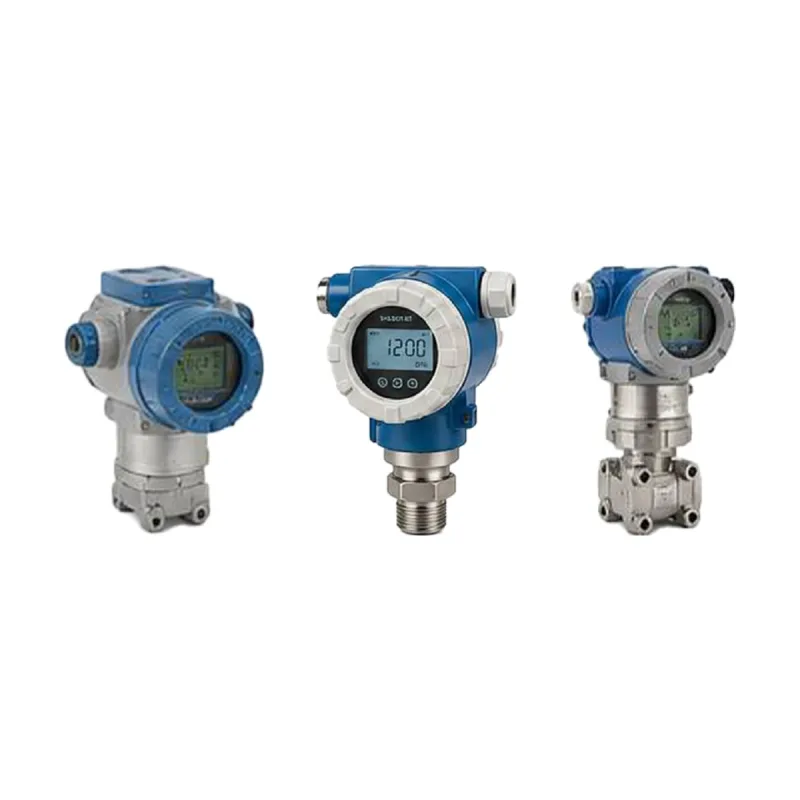
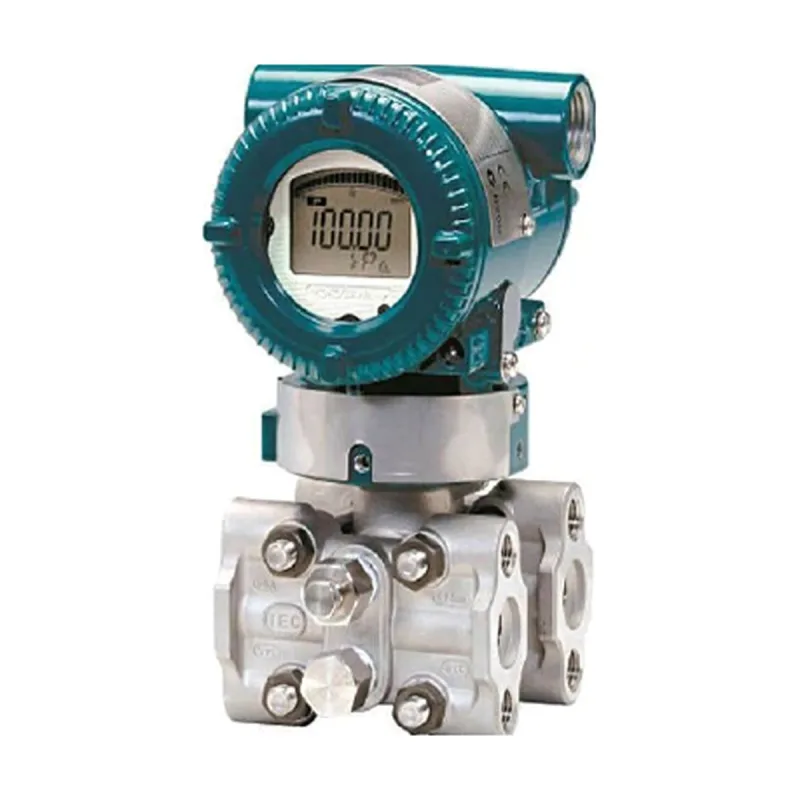
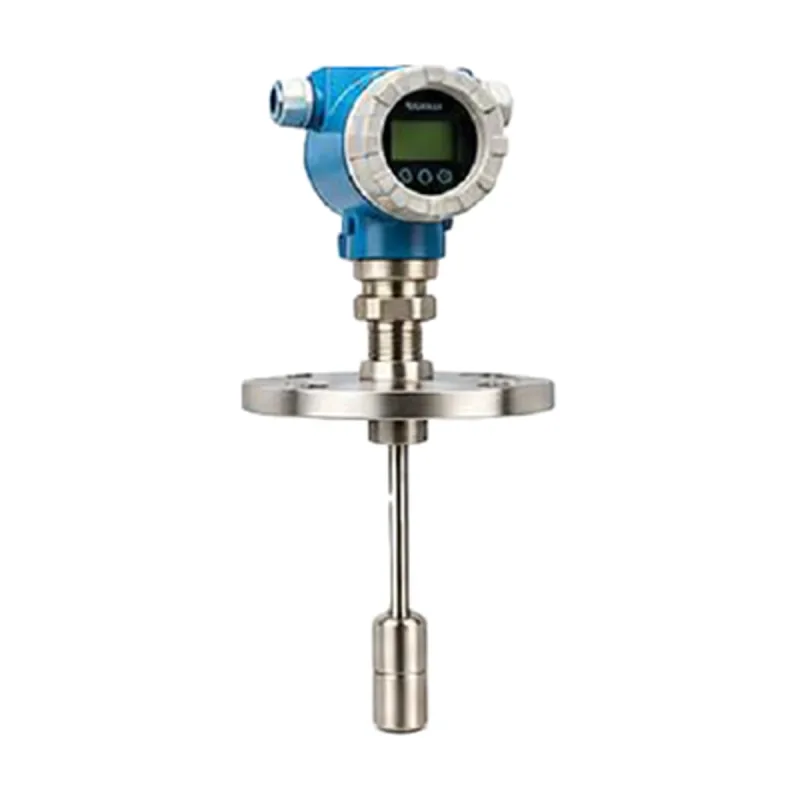
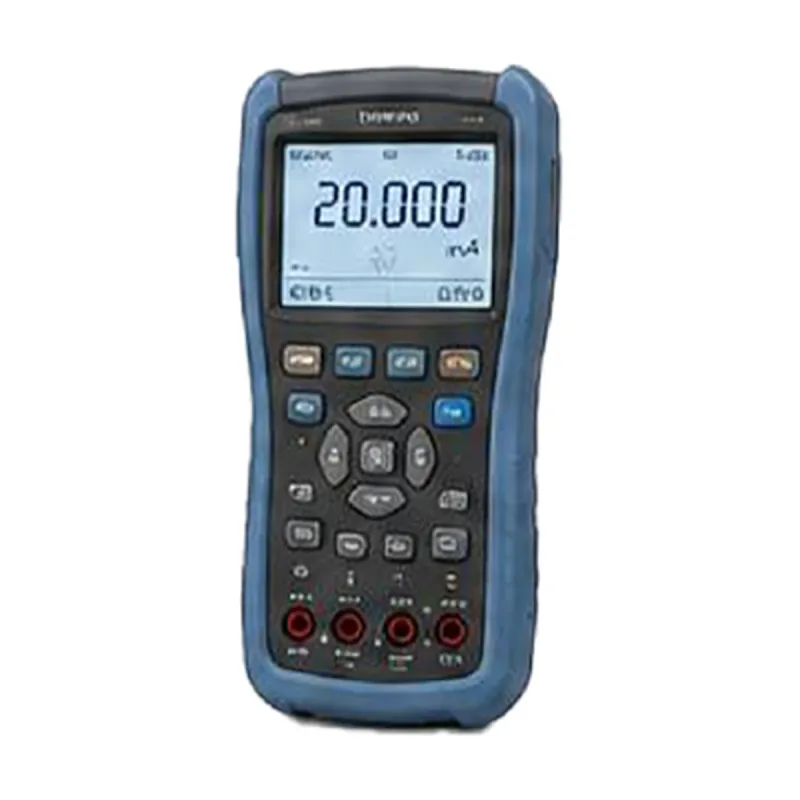
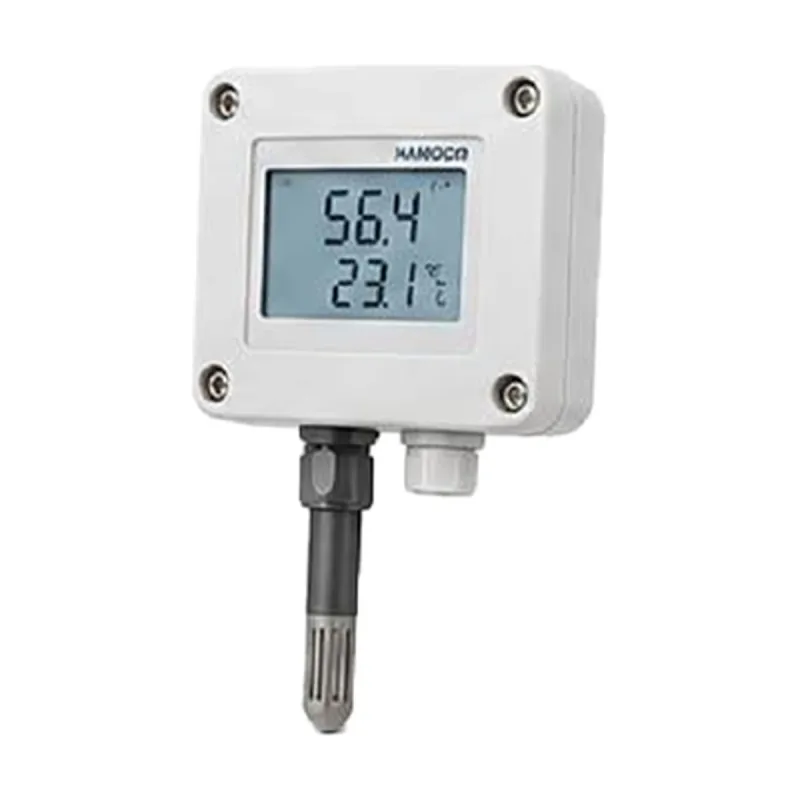
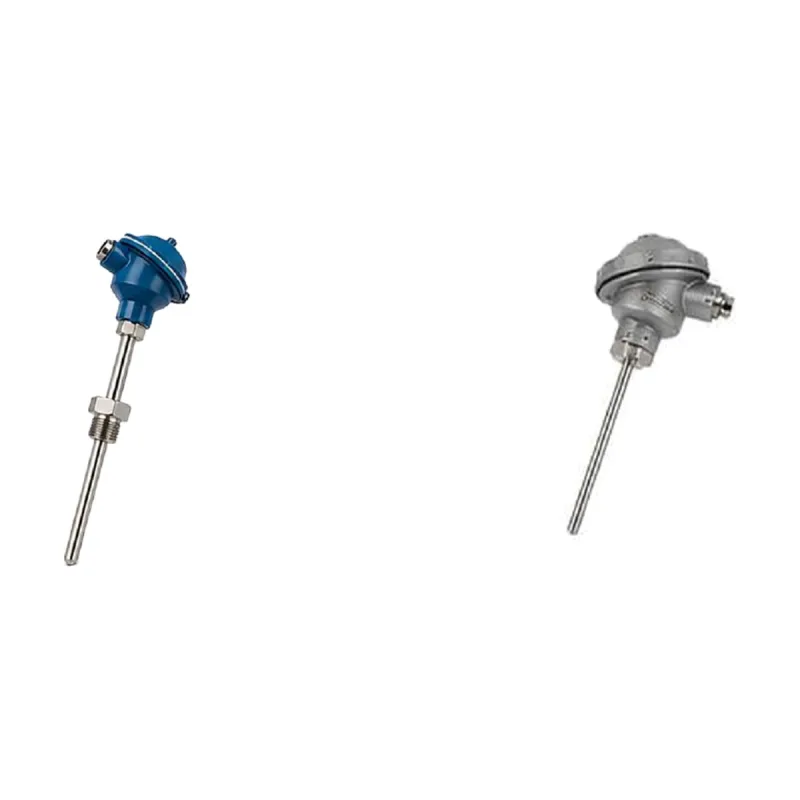
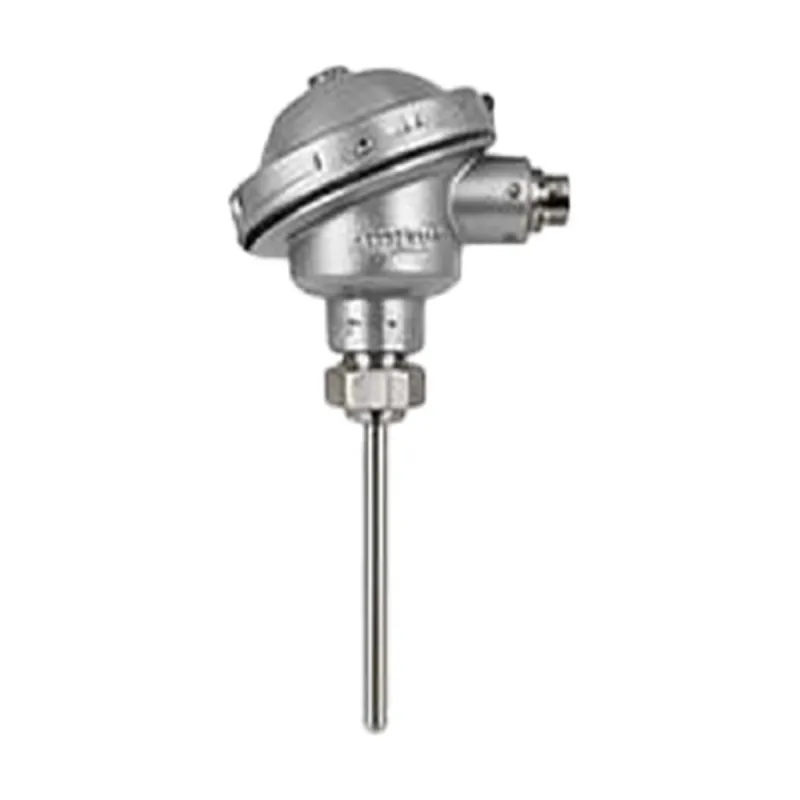
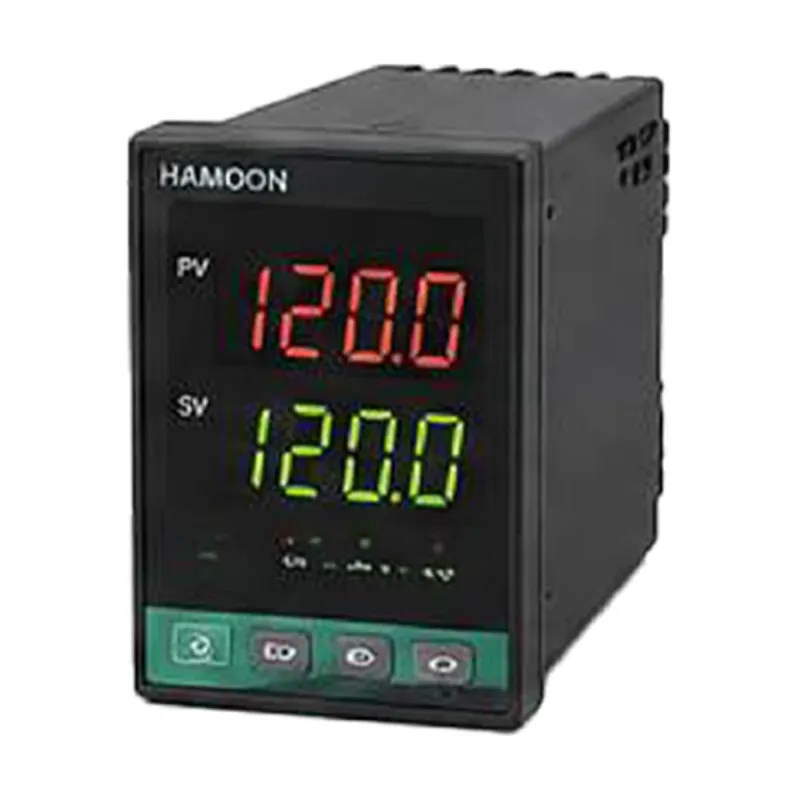
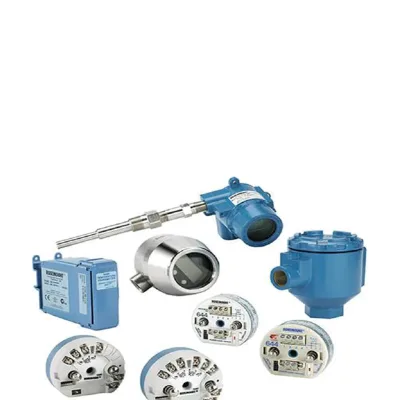
Temperature transmitters convert the low-level signal of an RTD or thermocouple into a robust, isolated 4–20 mA output that can travel long distances without noise or drift. Mounting the transmitter directly in the sensor connection head or on a DIN rail in the control panel greatly improves measurement reliability compared with running sensor wires back to the control room. Hamoon offers universal-input models from leading manufacturers that accept Pt100 and Pt1000 RTDs, thermocouple types J, K, N, R, S and T, as well as ohm and millivolt signals.
Advanced models provide sensor diagnostics, dual-sensor inputs with backup and drift alert, and Callendar–Van Dusen sensor matching for higher system accuracy. Versions with HART, Foundation Fieldbus or PROFIBUS PA and ATEX/IECEx intrinsically safe approvals are available, along with field-mount housings with a local display.
Typical applications
- Furnace, reactor and heat-exchanger temperature measurement
- Tank farm and pipeline temperature monitoring
- Turbine, boiler and bearing temperatures in power plants
- Kiln and process temperatures in cement and steel plants
Contact Hamoon engineers for a matched sensor and transmitter package, technical consultation and a quote.
Key points when selecting a Temperature Transmitter
- Specify the sensor type (PT100, PT1000 or thermocouple K, J, N…) and the RTD wiring.
- Pick the mounting style: in the sensor head, on a DIN rail or in a field housing with display.
- For critical loops, consider dual inputs with backup and Callendar–Van Dusen sensor matching.
- Match the output protocol (HART, FF or PROFIBUS PA) and intrinsic-safety approval to your control system.
Temperature Transmitter — frequently asked questions
Why use a temperature transmitter instead of wiring the sensor directly?
Sensor signals are weak and noise-sensitive. A transmitter converts them to an isolated 4–20 mA signal that travels long distances without error and reduces cabling cost.
Does one temperature transmitter work with all sensors?
Universal-input models accept RTDs, thermocouples, ohm and mV signals; the sensor type is configured via software or HART.