

We compare the three leading instrumentation protocols on data rate, topology, cabling savings, diagnostics and engineering effort to help you choose the right one for your project.
Every smart transmitter and valve positioner in a modern plant has to talk to the control system, and the protocol you choose shapes wiring costs, diagnostics, engineering effort and long-term maintenance. HART, Foundation Fieldbus and PROFIBUS PA are the three dominant digital technologies in process instrumentation. Each has a strong installed base in oil, gas and petrochemical facilities, and each has clear strengths. This article compares them side by side to help engineers and project teams make an informed decision.
HART: digital intelligence on a 4–20 mA loop
HART (Highway Addressable Remote Transducer) superimposes a low-level digital signal on the conventional 4–20 mA current loop using frequency-shift keying (FSK). The analogue signal still carries the primary process variable to the controller, while the digital channel provides configuration, secondary variables and device diagnostics at 1,200 bit/s.
Strengths
- Fully compatible with existing 4–20 mA wiring and I/O cards
- Simple engineering and commissioning; technicians already know the technology
- Supported by virtually every transmitter, positioner and handheld communicator on the market
- WirelessHART, part of HART 7, extends the same device model to wireless networks
Limitations
Each device normally needs its own pair of wires, so there is no cabling saving. The digital data is slow, and in many plants diagnostics remain unused because the I/O system or asset-management software is not configured to read them.
Foundation Fieldbus: a fully digital control network
Foundation Fieldbus H1 is an all-digital, bidirectional bus running at 31.25 kbit/s on the IEC 61158-2 physical layer. Several devices share one twisted-pair trunk, which also supplies their power. A distinctive feature is control in the field: function blocks such as PID can execute inside a valve positioner or transmitter, with the Link Active Scheduler coordinating communication on the segment. Higher-level integration is handled by the High Speed Ethernet (HSE) backbone.
Strengths
- Significant savings in home-run cables, marshalling cabinets and I/O cards
- Multiple process variables and rich, continuous diagnostics from each device
- Optional control in the field for fast, deterministic loops
Limitations
Segment design, power budgeting and scheduling require specialised expertise. A fault in a trunk cable or power conditioner can affect several devices at once, so segment protection and careful loop allocation are essential.
PROFIBUS PA: process automation within the PROFIBUS family
PROFIBUS PA uses the same IEC 61158-2 physical layer and data rate as Foundation Fieldbus H1, so it is also bus-powered and suitable for intrinsically safe installations. PA segments connect to a high-speed PROFIBUS DP network through couplers or links, and a DP master in the controller exchanges cyclic data with the field devices. Standardised device profiles make transmitters from different manufacturers largely interchangeable.
Strengths
- Seamless integration with PROFIBUS DP and PLC-based systems, especially in Siemens environments
- Cabling savings similar to Foundation Fieldbus
- Profile-based devices simplify replacement and spare-parts management
Limitations
Control always resides in the controller, and engineering involves coupler configuration and GSD files. The installed base is strongest in Europe and in plants built around PLC-based automation.
Side-by-side comparison
| Criterion | HART | Foundation Fieldbus H1 | PROFIBUS PA |
|---|---|---|---|
| Signal type | 4–20 mA analogue + digital | Fully digital | Fully digital |
| Data rate | 1.2 kbit/s | 31.25 kbit/s | 31.25 kbit/s |
| Topology | Point-to-point (multidrop possible) | Bus with trunk and spurs | Bus via DP/PA coupler |
| Devices per segment | Usually one per loop | Up to 32 (fewer in hazardous areas) | Up to 32 (fewer in hazardous areas) |
| Control location | Controller | Controller or field devices | Controller |
| Cabling savings | None | High | High |
| Diagnostics | On demand | Continuous, extensive | Continuous, profile-based |
| Engineering effort | Low | High | Medium |
Which protocol is right for your project?
- Brownfield upgrades with existing 4–20 mA wiring: HART is usually the most economical way to add smart diagnostics, for example by connecting positioners and transmitters to an asset-management system through HART-enabled I/O or multiplexers.
- Large greenfield projects with a fieldbus-capable DCS: Foundation Fieldbus offers the greatest wiring savings and diagnostic depth.
- PLC-centric or Siemens-based plants: PROFIBUS PA fits naturally into an existing PROFIBUS DP architecture.
The role of smart valve positioners
Through any of these protocols, a digital positioner can report valve signatures, friction, air supply problems and partial-stroke test results. This enables predictive maintenance of control valves, which are often the most maintenance-intensive assets in the field.
Looking ahead
Ethernet-APL brings two-wire Ethernet to field devices, including in hazardous areas, and can carry protocols such as HART-IP and PROFINET. It does not make existing installations obsolete, but it is worth evaluating for new projects.
Talk to Hamoon's instrumentation team
Hamoon supplies HART, Foundation Fieldbus and PROFIBUS PA versions of transmitters and smart valve positioners from brands including Emerson, Fisher, Siemens, Yokogawa, ABB and Foxboro. Tell us about your control system and project requirements, and our engineers will help you select compatible instruments and prepare a competitive quotation.
Products mentioned in this article
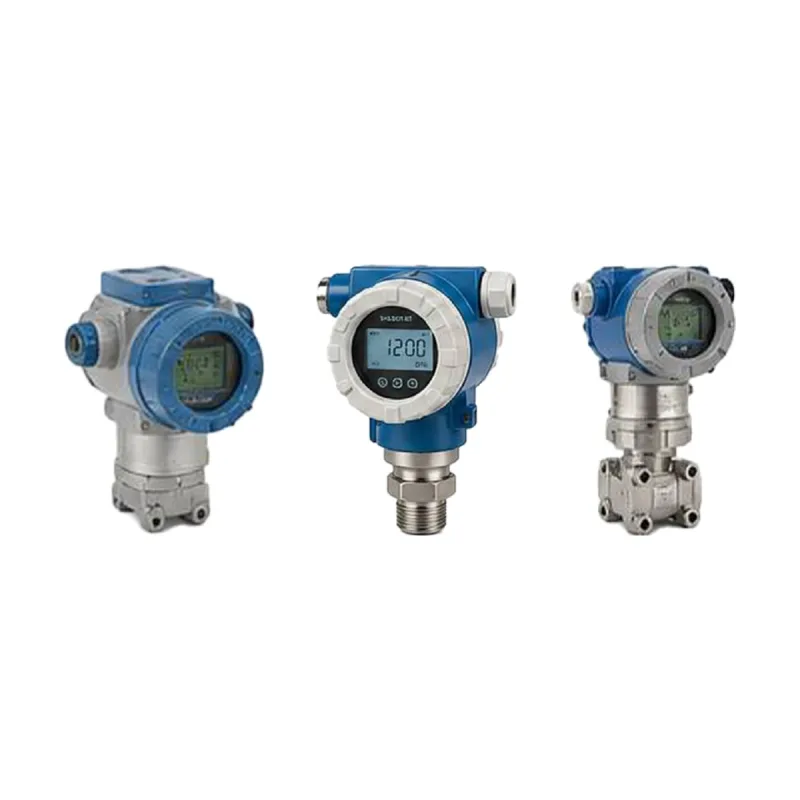
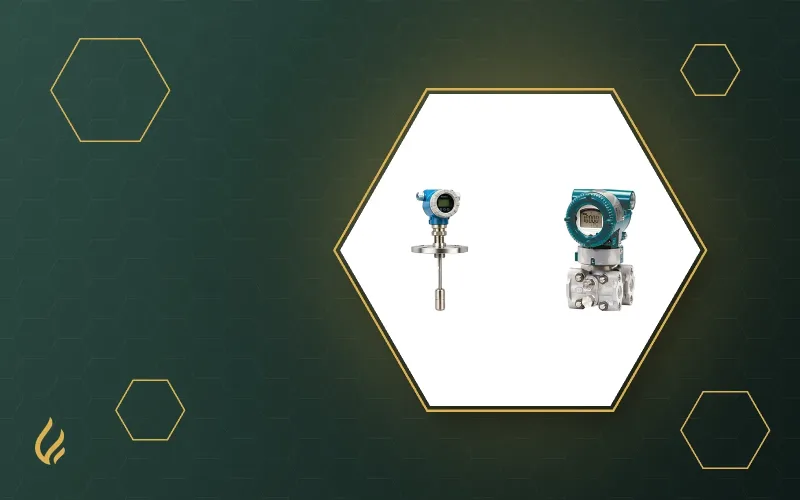
Smart Pressure Transmitter
Smart gauge and absolute pressure transmitters with 4–20 mA HART output, high accuracy and long-term stability for...
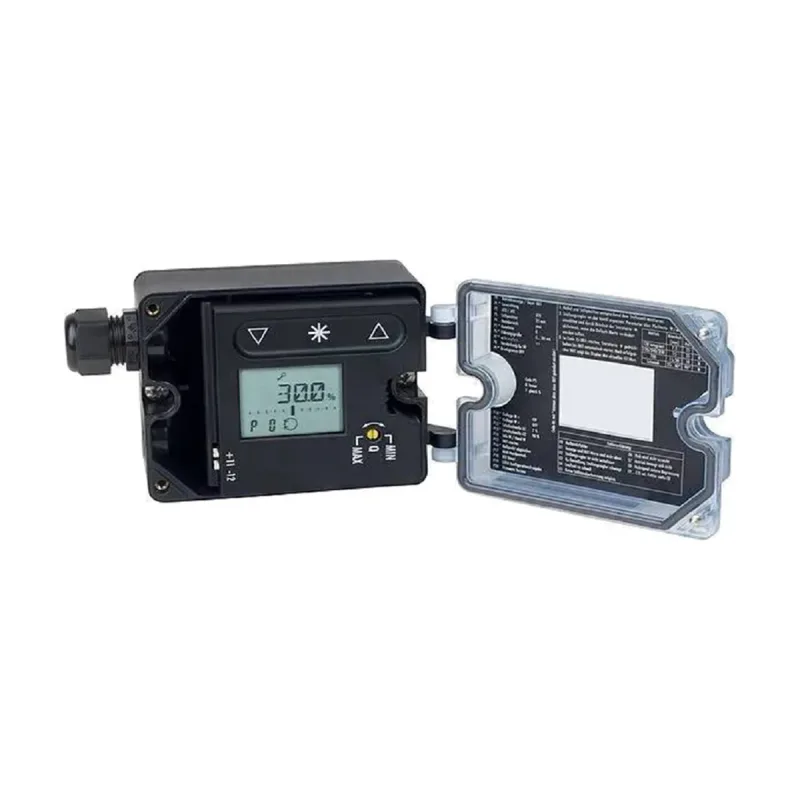
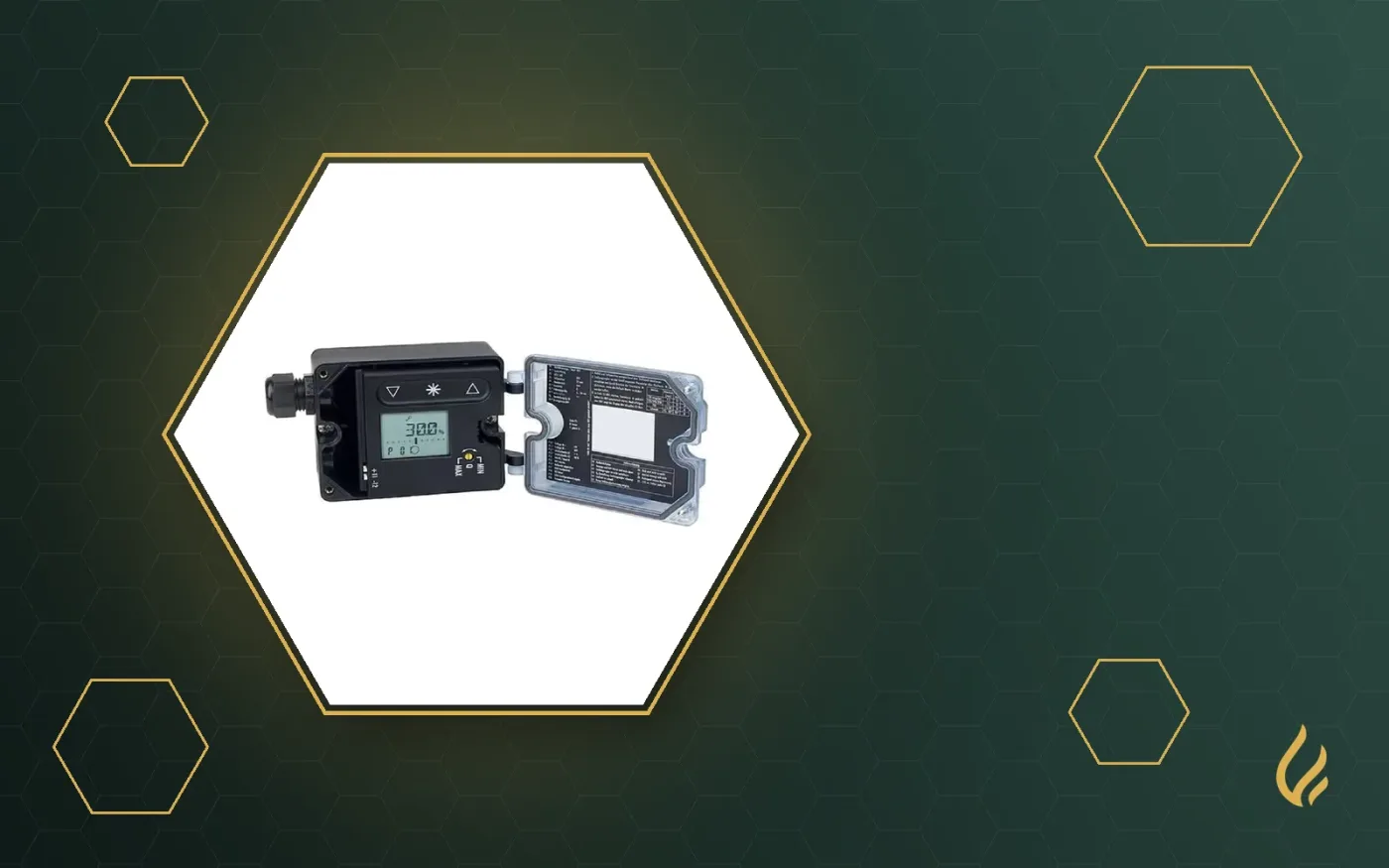
Smart Digital Valve Positioner
Smart digital valve positioners with HART communication for precise positioning of linear and rotary control valves...