

Which level technology is right for your vessel? Compare the strengths, limitations and best applications of each method in one practical overview.
Level is one of the most frequent measurements in oil and gas, petrochemicals, water and power. From large storage tanks to three-phase separators and boiler drums, every application has its own conditions, and no single technology is best for all of them. This article compares the five most common methods.
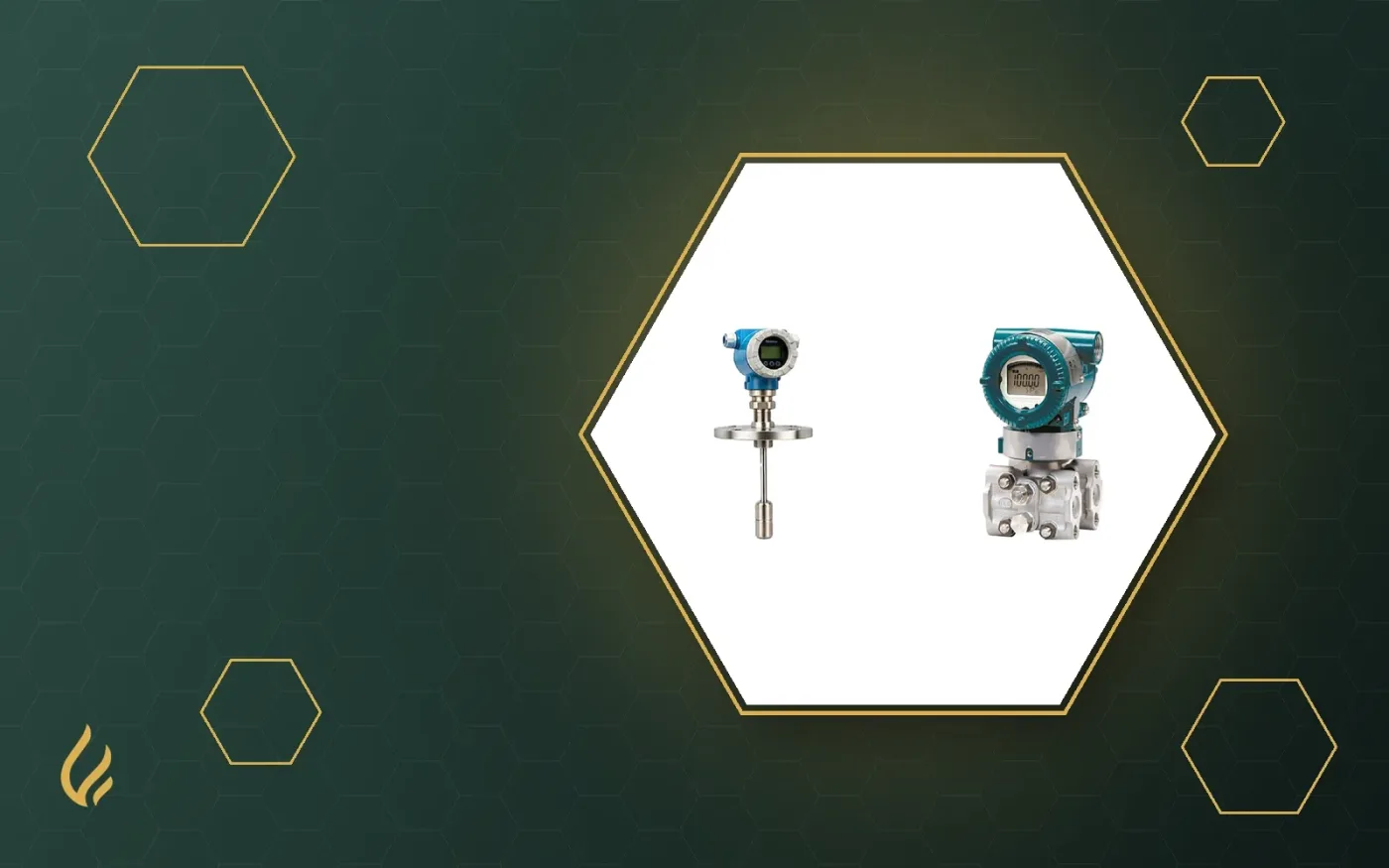
1. Differential pressure (DP)
The oldest and most widely used method: the hydrostatic head is measured and level is calculated from the fluid density. Pros: well understood, cost-effective, works at high temperature and pressure. Cons: depends on density, needs impulse lines or diaphragm seals, and capillaries introduce temperature errors.
2. Guided wave radar (GWR)
Microwave pulses travel down a probe and reflect from the surface. Pros: independent of density, pressure and temperature; measures level and interface simultaneously; performs well with foam, vapour and in bypass chambers. Cons: contacts the medium, sticky fluids may coat the probe, and probe length is limited in very tall vessels.
3. Non-contact radar
An antenna transmits from the top of the vessel. Modern 80 GHz radars with narrow beams stay accurate even in agitated tanks with internal obstructions. Pros: no contact, minimal maintenance, accuracy down to ±1 mm in tank gauging. Cons: heavy foam and very low dielectric media can weaken the signal.
4. Ultrasonic
Sound waves reflect from the surface. Pros: low cost and simple installation; ideal for open channels, sumps and water or wastewater tanks. Cons: affected by temperature, vapour, pressure and foam; unsuitable for pressurised process vessels.
5. Displacer
Based on Archimedes' principle, the buoyancy of an immersed body is measured. Pros: long track record for interface and high-pressure service. Cons: moving parts, density dependence and higher calibration and maintenance effort; today displacers are often replaced by GWR.
Quick comparison
| Technology | Contact | Density dependent | Interface | Maintenance |
|---|---|---|---|---|
| Differential pressure | Yes | Yes | Limited | Medium |
| GWR | Yes | No | Excellent | Low |
| Non-contact radar | No | No | No | Very low |
| Ultrasonic | No | No | No | Low |
| Displacer | Yes | Yes | Good | High |
How to choose
- Large storage and custody transfer: high-accuracy non-contact radar
- Separators and interface: GWR with coaxial or single-rod probe
- Boiler drums and very high temperature: DP or GWR with an HTHP seal
- Water, wastewater and open channels: ultrasonic or economical radar
- Replacing old displacers: GWR in the existing bypass chamber
Frequently asked questions
Which method is best for a foaming tank?
GWR is usually best because the pulse is guided along the probe and passes through the foam layer; non-contact radar and ultrasonic may lose the echo in heavy foam.
Can one transmitter measure level and interface at the same time?
Yes. Advanced GWR transmitters measure both values simultaneously and report them via HART.
Hamoon supplies level transmitters from Rosemount, Endress+Hauser, Siemens, ABB and other leading brands. Send us your vessel dimensions, medium and process conditions and we will recommend the best technology.
Products mentioned in this article
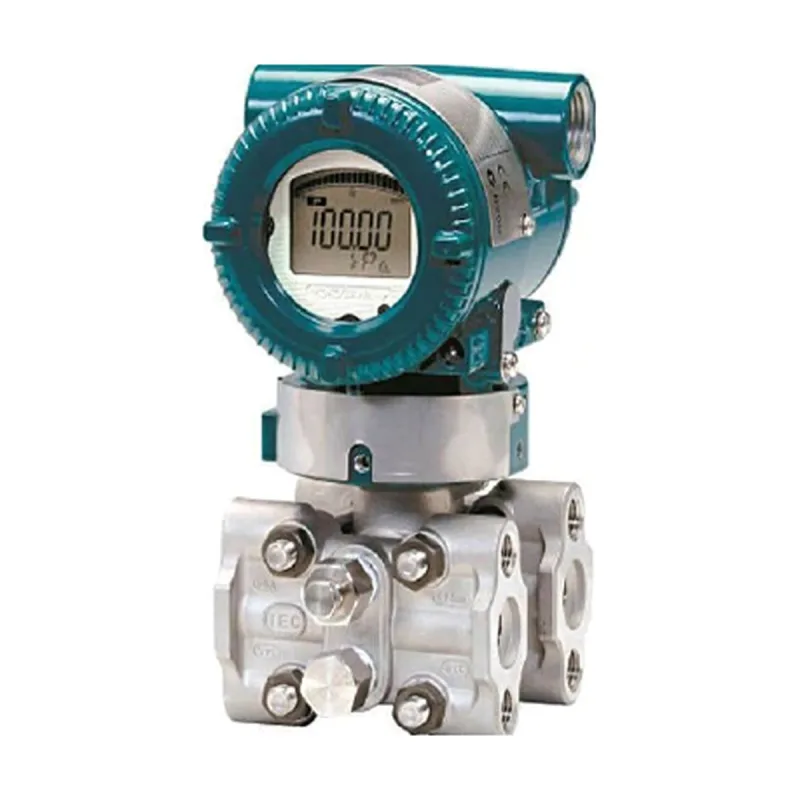
Differential Pressure Transmitter
Smart differential pressure transmitters for orifice flow measurement, pressurised tank level and filter monitoring...
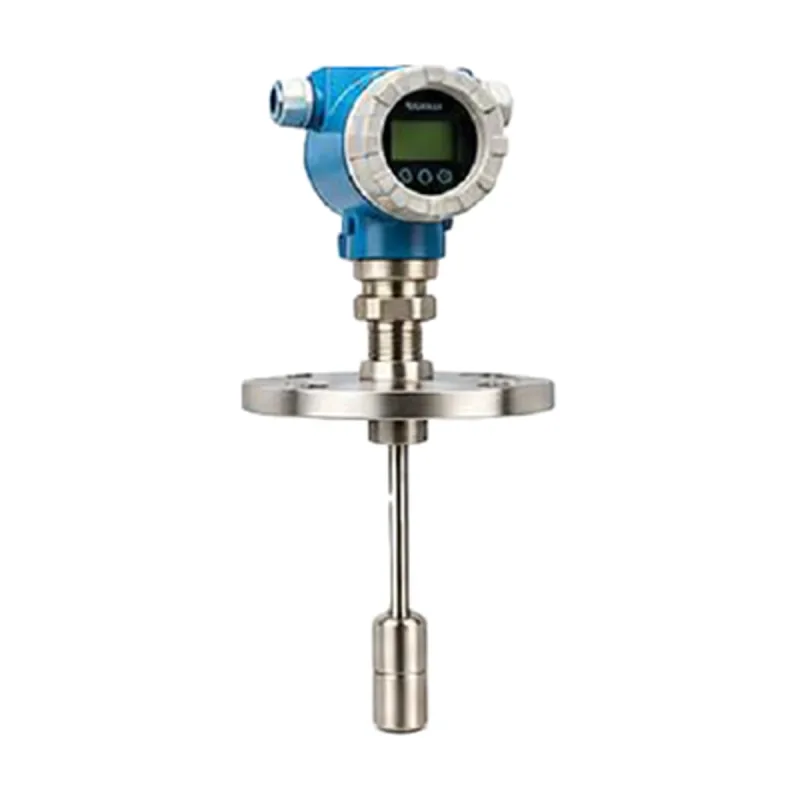
Guided Wave Radar Level Transmitter
Guided wave radar level transmitters for continuous, accurate measurement of liquids, solids and interfaces, unaffe...